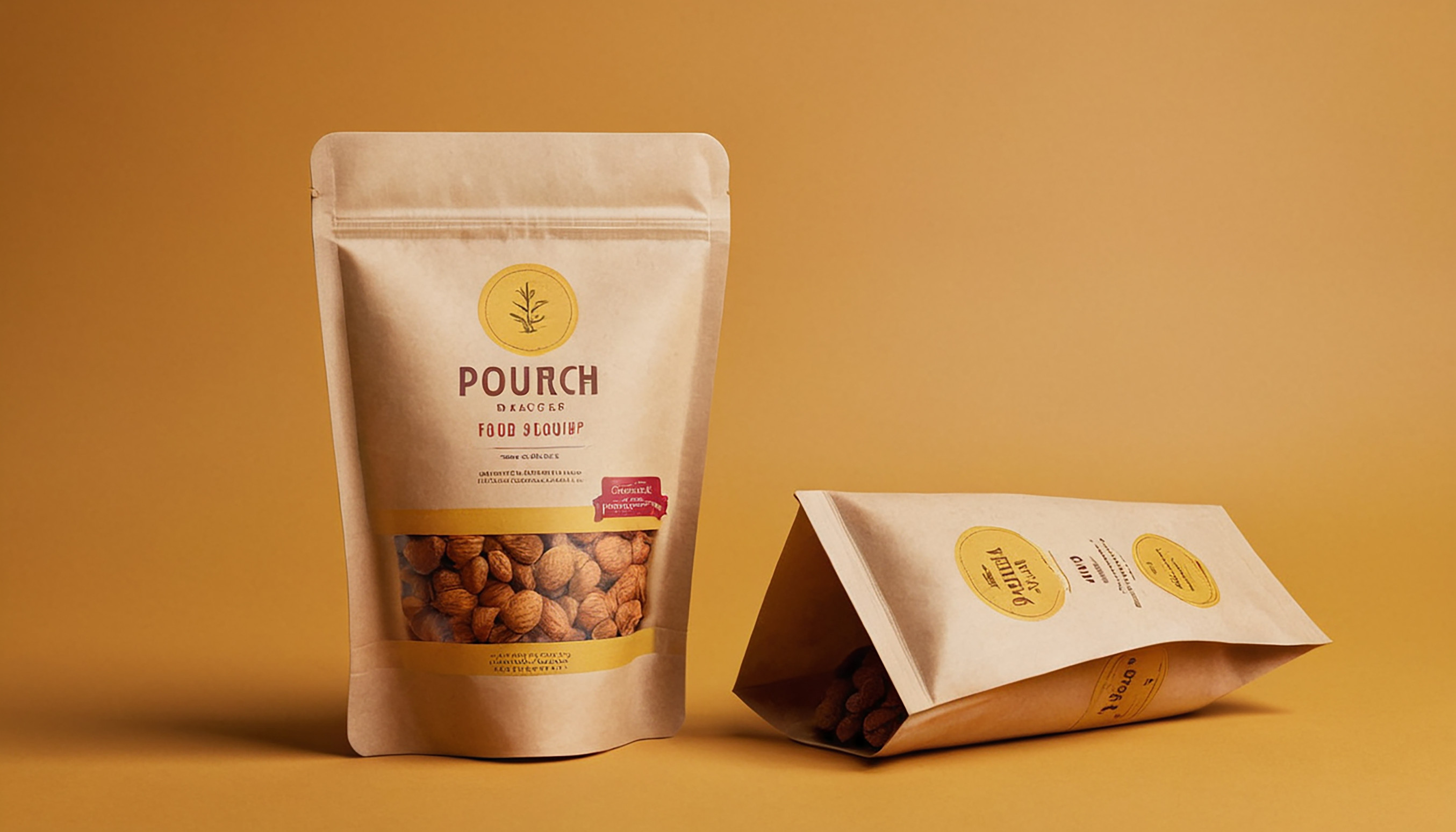



What is PPWR and why does it apply to packaging?
Definition of PPWR
The PPWR, or Packaging and Packaging Waste Regulation, is a European regulation adopted in December 2024 and coming into force in February 2025. This text replaces Directive 94/62/EC and proposes a harmonized framework for the management of packaging and packaging waste throughout the European Union.
Why a new packaging regulation?
As part of the European Green Deal and the transition to a circular economy, the PPWR regulation responds to the urgency of plastic packaging waste by setting major objectives:
- Progressive reduction of waste
- mandatory eco-design to make packaging recyclable or compostable
- Increased recycled content
- Limit single-use plastic
- Harmonization of practices and extended producer responsibility (EPR) within the EU.

What concrete changes does PPWR impose on packaging?
100% recyclable or reusable packaging by 2030
By 2030, the PPWR regulation imposes a key obligation on all players in the chain: all packaging placed on the EU market must be fully recyclable or reusable, with a gradual ban on non-compliant materials. It is also accompanied by efforts to harmonize sorting instructions across Europe, to simplify and optimize the collection and recovery of packaging waste.
Eco-design and the end of over-packaging
The PPWR makes eco-design and "design for recycling" two central pillars for achieving European waste reduction targets. To this end, the regulation imposes a drastic reduction in unnecessary packaging (over-packaging, double packaging) and requires that packaging be redesigned from the outset to reduce its weight and volume, while guaranteeing its compatibility with recycling channels and the integration of recycled raw materials.
Indicators, labelling, EPR and extended responsibilities
To reinforce transparency and accountability, the PPWR regulation introduces the obligation of harmonized labeling and clear indicators to inform consumers about recyclability and sorting instructions. It also aims to consolidate Extended Producer Responsibility (EPR) schemes, which oblige producers to finance and optimize the end-of-life management of packaging to promote recycling and the circular economy.
Why is anticipating PPWR strategic for brands?
Reduce legal and financial risks
Anticipating the implementation of the PPWR regulation is essential for brands to avoid significant legal and financial risks (fines, product withdrawals). Indeed, failure to comply with the requirements, particularly those relating to Extended Producer Responsibility (EPR) and eco-modulation fee systems, will force companies to rapidly review their packaging strategies to ensure compliance and control costs.
Optimizing environmental performance and image
European consumers are becoming increasingly demanding when it comes to product sustainability, especially when it comes to packaging. Anticipating the PPWR offers a brand the opportunity to enhance its environmental commitment and generate value through responsible packaging.

Transforming packaging into a lever for innovation
PPWR also acts as a driver for packaging innovation, stimulating the development of new materials, uses and circular economy models (recycling and reuse), enabling companies to explore new value opportunities, propose original solutions, and thus strengthen their competitiveness and market differentiation.
Miller Graphics: expertise to help you make the packaging transition?
Packaging graphics analysis
To begin with, an exhaustive mapping of packaging designs (design, print media, inking rates, etc.) is required to obtain the basic data. Based on this inventory, Miller Graphics performs an analysis to assess graphic compliance, identify PPWR optimization opportunities and propose a strategic and operational roadmap.
Post-analysis action levers
The findings of the diagnosis lead to several possible actions:
- Revision of print media
- Optimizing the decor (Design for Recycling)
And this is where the Miller Graphics design studio comes in. Our team supports brands in rethinking their packaging designs with a view to sustainability and PPWR compliance, to ensure that packaging has a low environmental impact.
Conclusion: PPWR compliance, an opportunity for sustainable differentiation
PPWR compliance is a strategic opportunity for brands to strengthen their position, meet consumer expectations in terms of sustainability, and differentiate themselves. Miller Graphics has positioned itself as an expert partner, offering tailor-made support to anticipate requirements and transform packaging into a sustainable asset that combines innovation and brand image enhancement.