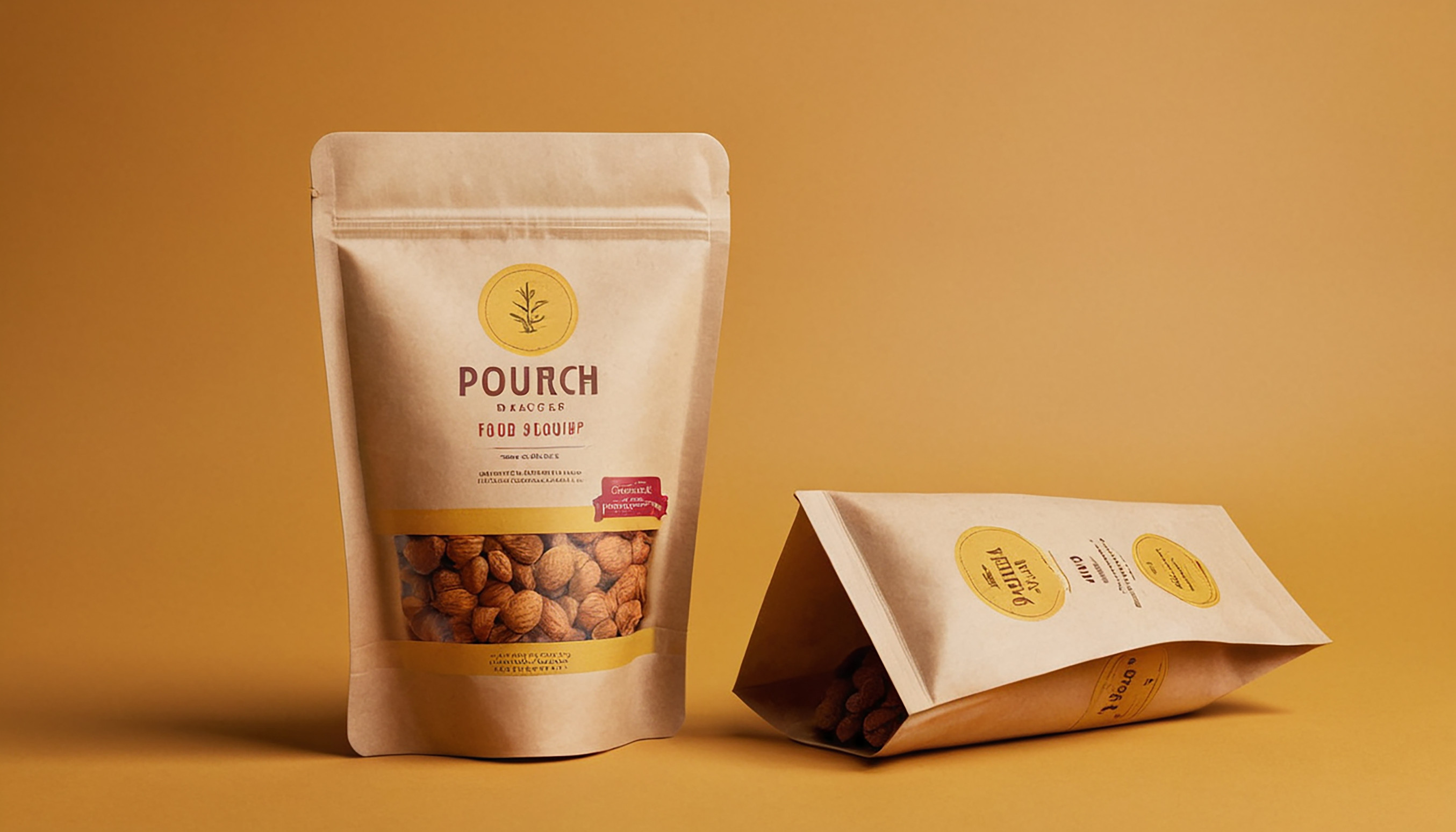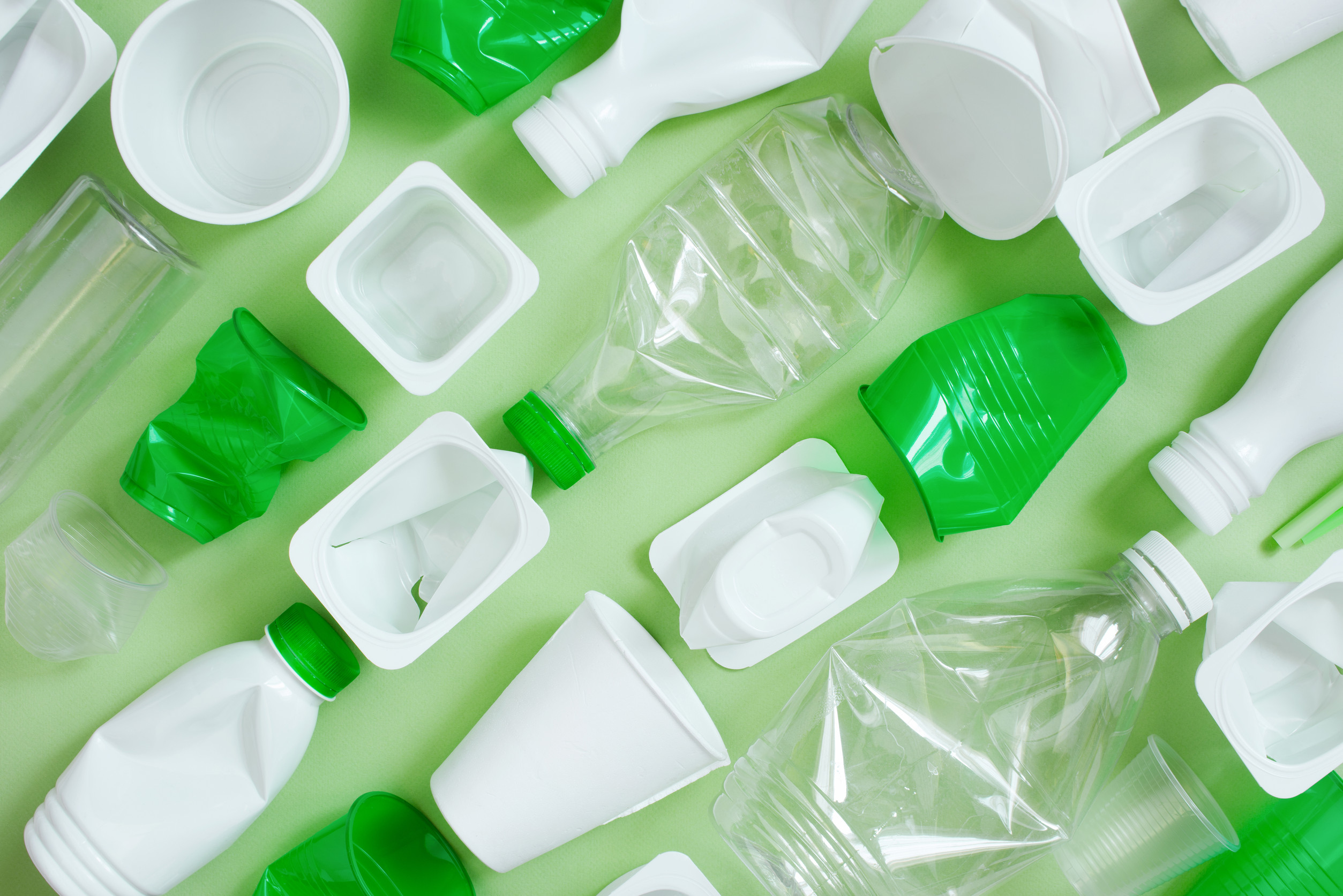


Flexographic printing is ideal for packaging (plastic films, bags, cardboard).
Renowned for its versatility and performance, this technique is perfectly suited to the needs of printing professionals.
What is flexographic printing?
Origins and operation of flexography
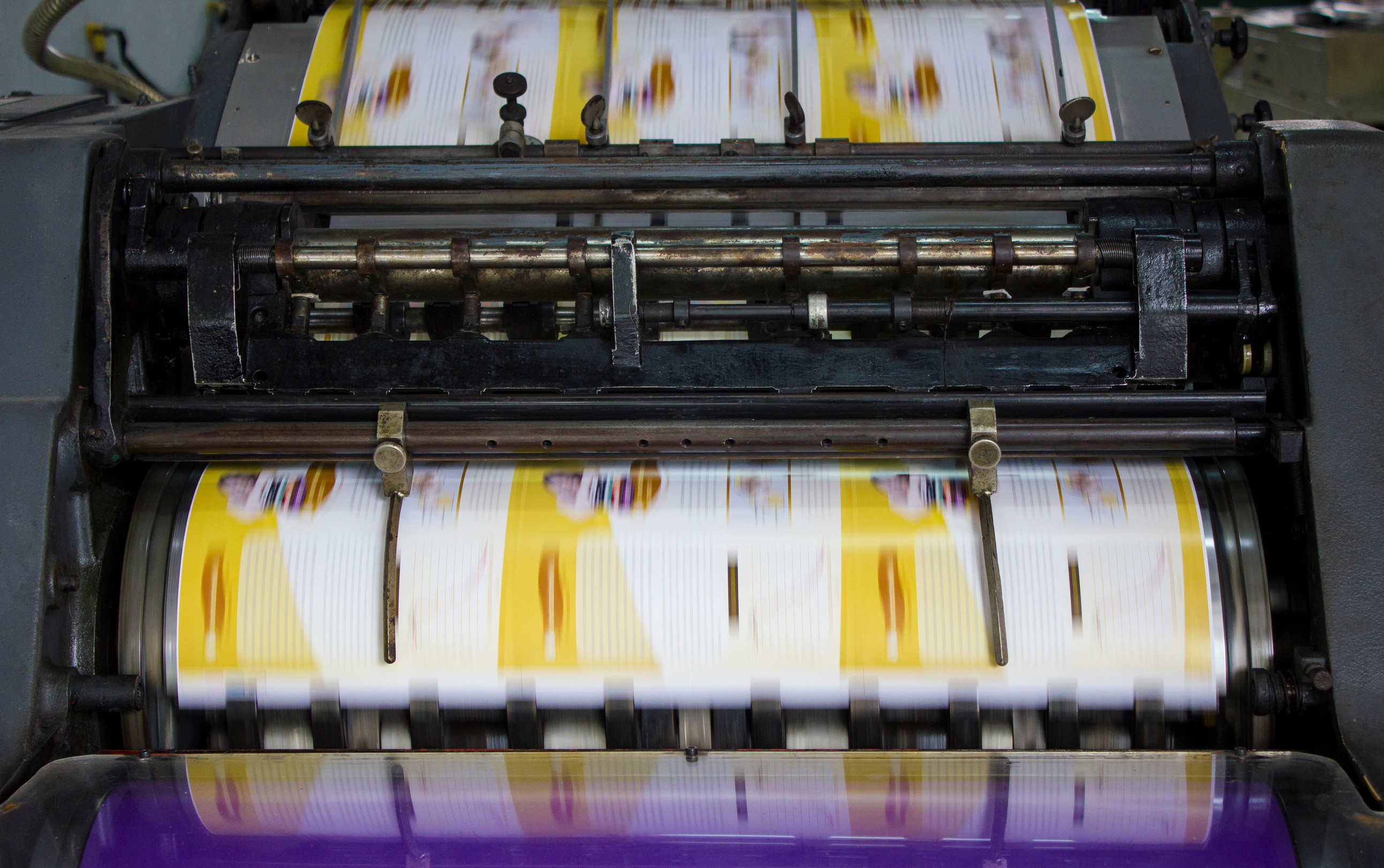
Flexographic printing first appeared at the end of the 19ᵉ century. It is based on a relief printing process using flexible plates. It works by transferring ink from an anilox roller, engraved with micro-cells, to the printing plate, which then prints the surface of the substrate. Similar to an ink pad, but on an industrial scale, this process guarantees fast, high-quality printing.
Flexo-compatible substrates
Flexography is renowned for its ability to print on a wide range of substrates. It is particularly well suited to flexible packaging such as film and paper. It is also used for corrugated board, cardboard, adhesive labels, as well as on thin metal surfaces such as aluminum.
Typical packaging applications
In the packaging sector, flexographic printing is particularly well suited to food packaging. This modern technology stands out for its ability to produce complex prints. Flexography guarantees quality printing, durability and image sharpness, essential elements for enhancing brands and preserving packaged products.

Offset printing: a competing technology
How offset printing works
Offset printing is an indirect printing technique. It relies on the transfer of ink from a metal plate to a rubber cylinder, called a blanket, which then applies the ink to the substrate to be printed. This process uses aluminum plates engraved according to the print file. The inks used are greasy and adhere only to the inked areas of the plate, thanks to the principle of repulsion between water and greasy ink.
Packaging offset printing advantages
Offset printing offers exceptional image quality, with very fine rendering and remarkable color accuracy. It's ideal for top-of-the-range packaging, such as high-end cosmetics, or luxury labels, where visual appeal is paramount. Thanks to the controlled superimposition of inks, this technique can faithfully reproduce subtle gradations, fine details and a vast palette of colors.
Limitations of this technique for certain types of substrate
Despite its many advantages, offset printing has its limits when it comes to printing on flexible or irregular substrates. The blanket's rigidity makes it difficult to adapt to textures or materials that are not perfectly flat, which can affect print quality. What's more, the offset process requires substrates capable of resisting plate dampening.
Flexo vs. offset: the full comparison
Print quality and color rendering
Offset excels in superior screen fineness and color accuracy, ideal for premium packaging. Flexography is constantly improving, and stands out for its adaptability to a wider variety of substrates.
Production costs, speed and profitability
Offset printing has lower fixed costs than flexography, thanks in particular to platemaking, which is faster and less costly than flexo plate preparation. However, for long production runs, flexo generally becomes more economical. This is due to the process: offset prints sheet by sheet, while flexo uses rollers, which reduces costs and speeds up production. What's more, flexo's wider web widths optimize print runs. Last but not least, flexo offers great versatility, enabling post-print or pre-print printing on cardboard, whereas offset requires more handling.
Flexibility and printable substrates
Flexography is versatile (plastic film, corrugated board, bags, aluminum, flexible packaging) thanks to its flexible plates. Offset is mainly reserved for paper and cardboard requiring flat surfaces.
Which printing technology should you choose for your packaging?
Criteria to take into account according to your needs
The choice between flexographic and offset printing depends on four key factors:
- Expected quality and production time
- Volume of print runs required
- Type of substrate required
- Available budget
Miller Graphics' support for your printing projects
Miller Graphics supports brands, retailers and printers in the realization of their packaging projects. Thanks to its multi-process expertise (gravure, flexo, digital, offset), Miller Graphics can advise on the printing process best suited to your packaging concept.
Miller Graphics offers a complete graphic coordination service for your packaging projects:
- Range extension based on master designs
- Feasibility study with your printers
- Artwork and repro to ensure consistency across your range
- Packaging project tracking platform and online approval (Millnet)
- Production and delivery of printing plates and sleeves directly to your printers
- Technical visit to your printers to approve the first outputs.
Our sole aim: to provide efficient, personalized technical support to ensure the success of your packaging projects.
Conclusion
Flexographic and offset printing techniques are complementary.
They can be combined according to your needs.
Contact Miller Graphics for tailor-made advice to optimize your packaging projects.