

The e-commerce PIM is an indispensable centralization solution that structures, enriches and distributes your product information across all your sales channels.
Why product information management has become a challenge for e-commerce
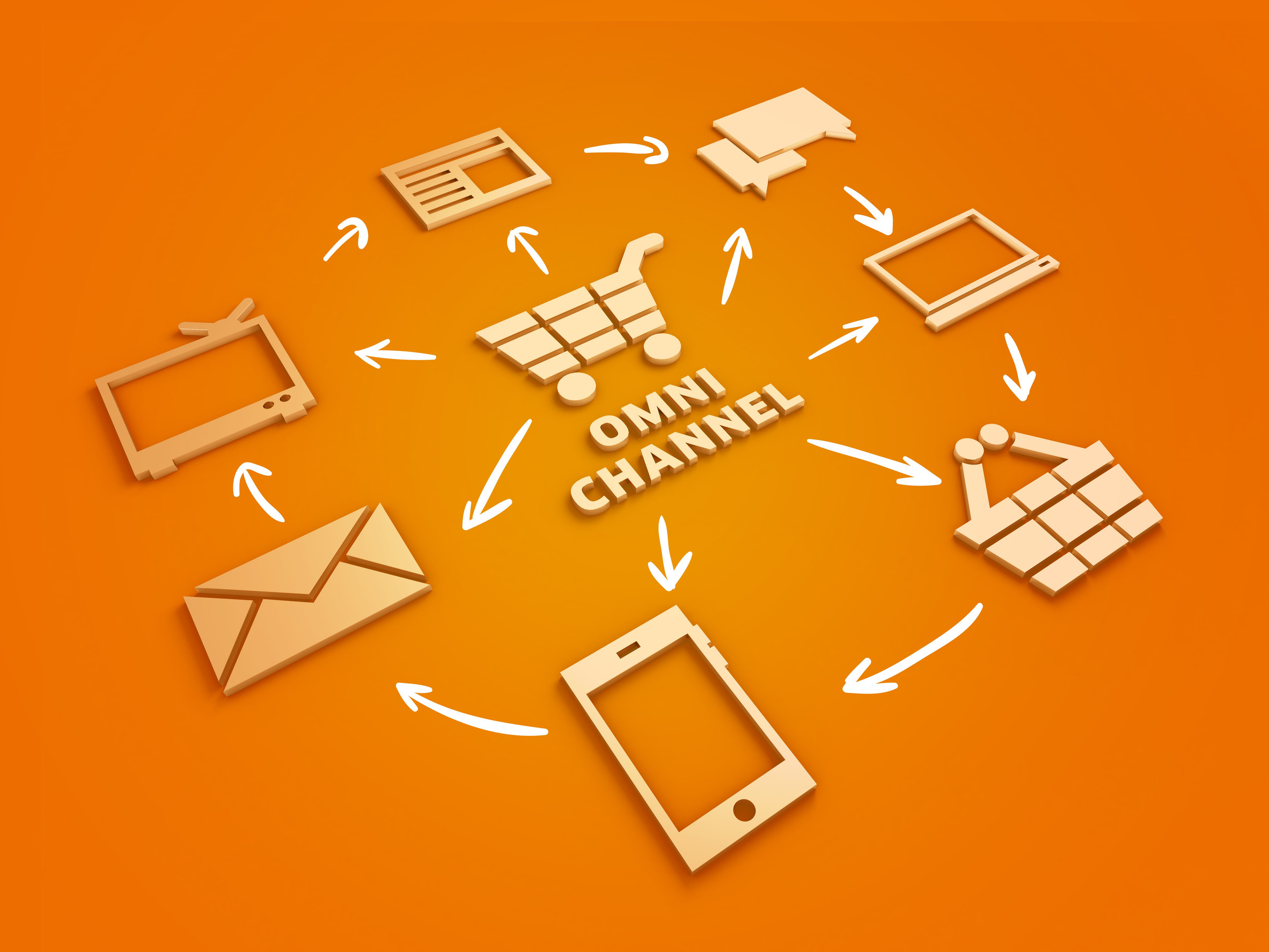
Explosion of sales channels: marketplace, website, mobile, social media
With the multiplication of platforms, automation is vital to adapt your product information to technical requirements without saturating your teams. Centralizing your data flows transforms this complexity into efficiency, ensuring a fluid, error-free user experience across all your contact points.
Increasingly rich and strategic product information
Today's consumers expect comprehensive, detailed product information: enriched descriptions, technical specifications, high-quality visuals, videos, technical documents, and more. This information plays a direct role in conversion: it enables buyers to better understand products, compare offers and make decisions more quickly.
The risks of poor product information management
When product information is scattered across several files or tools, errors multiply: inconsistent descriptions, incorrect technical data or incomplete product sheets. These inconsistencies can damage your SEO, worsen the customer experience and lead to product returns or complaints.
On a large scale, poor product data management can rapidly hinder your growth in a highly competitive e-commerce market.

E-commerce PIM: a centralized, multi-channel distribution solution
What is a PIM in an e-commerce context?
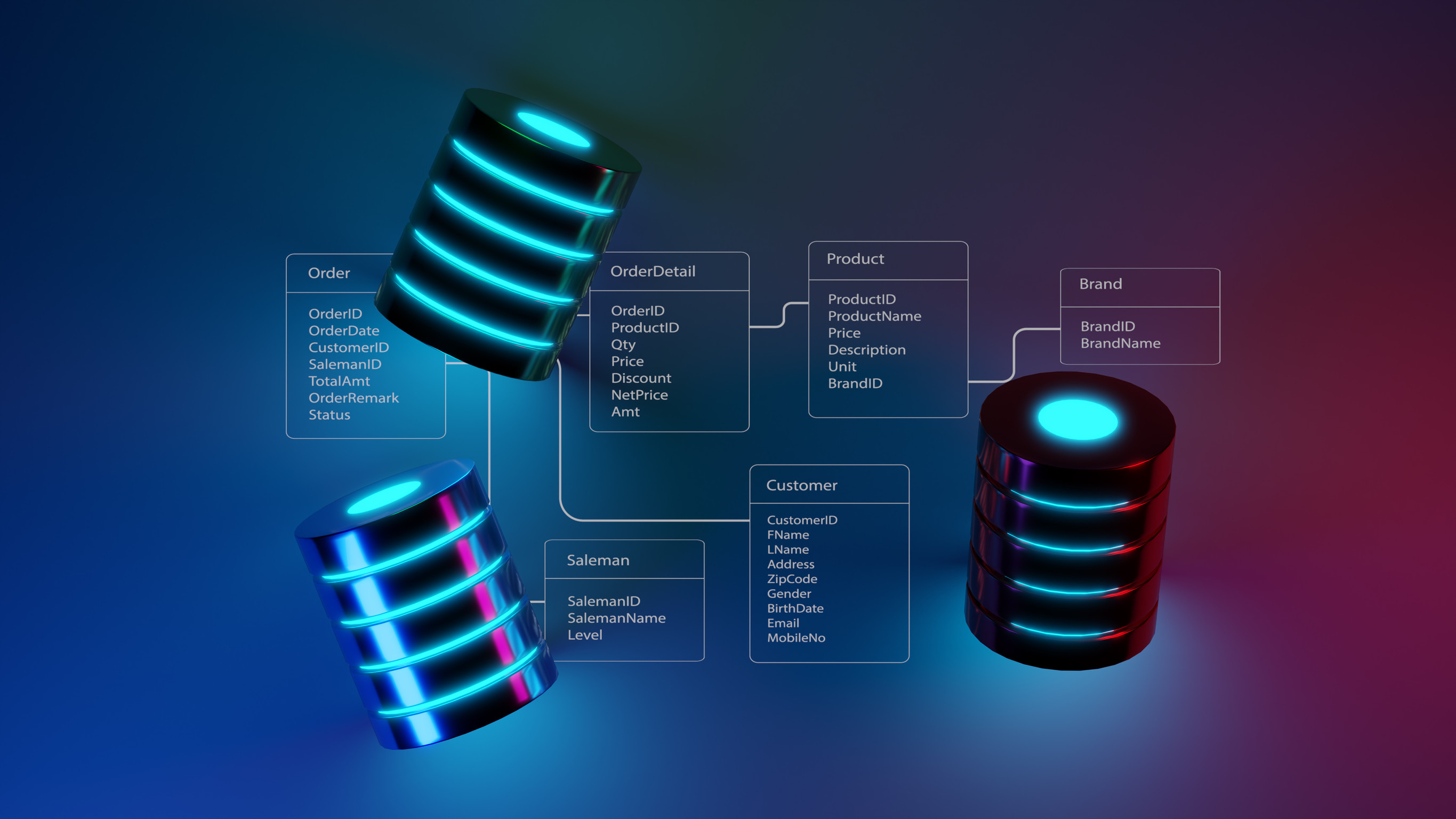
A PIM (Product Information Management) is a platform that centralizes all product information in a single repository.
It enables you to :
-
Structure product data
-
Enrich files with marketing and technical content
-
Manage translations and variants
-
Automatically distribute information to the various sales channels
The PIM thus becomes the central point of governance for product data, guaranteeing its quality, consistency and availability for all teams.
Why is a PIM more effective than Excel files or scattered databases?
In many companies, product information is spread across different tools: Excel files, ERP, shared folders or internal systems.
This fragmentation makes management complex and multiplies the risk of errors or contradictory versions.
PIM, on the other hand, makes it possible to :
-
Centralize all product data in a single repository
-
Structure information according to a clear model
Teams become more efficient, and can concentrate on enriching content rather than manually managing data.
Distribute product information in real time to all channels
One of the main advantages of PIM is its ability to automate the distribution of product data to all distribution channels.
Once product information has been validated in the PIM, it can be automatically synchronized with :
-
Your e-commerce site
-
Your marketplaces
-
Your digital catalogs
-
Your mobile applications
-
Your technical data sheets
Updates are applied simultaneously to all channels, guaranteeing consistent, reliable information for your customers.
What types of content are managed in a PIM for e-commerce?
Descriptions and marketing information
The PIM centralizes all the information needed to create high-performance product sheets: descriptions, product benefits, marketing arguments or SEO keywords.
This content can be adapted according to distribution channel or market, while retaining a consistent common base. PIM also facilitates translation management, so you can rapidly deploy your products internationally.
Technical specifications and structured data
Technical data (dimensions, materials, performance, certifications...) is essential to enable customers to compare products and make an informed choice. PIM enables this information to be structured in a standardized way, guaranteeing consistency and usability across all channels.
This structuring is also essential for efficiently feeding marketplaces and improving product visibility in search engines.
Rich visuals, documents and content
By combining your PIM with a DAM (Digital Asset Management), you can also manage the media linked to your product information more effectively. Indeed, communication media also rely on visual content: logos, photos, packshots, 360° visuals, videos, pictograms...
The combination of PIM + DAM enables these resources to be combined with product data to create a complete, coherent description. Teams thus have all the information they need at their fingertips, improving the buying experience and conversion rates.

PIM benefits for brands, retailers and e-retailers
Consistent product information across all channels
By centralizing product data in a single repository, PIM guarantees the distribution of reliable, consistent information across all channels. Brands can thus control their product message and offer a consistent experience to their customers, whatever the point of contact.
Time-saving for marketing and e-commerce teams
Thanks to multi-channel distribution, PIM considerably reduces the manual tasks involved in managing product data. Marketing and e-commerce teams can then concentrate on enriching content, optimizing communication media and developing sales. The result: accelerated time-to-market and more time for new product launches.
Better conversion and user experience
Comprehensive, accurate and consistent product information boosts buyers' confidence and facilitates their purchasing decisions. By offering clear, detailed information, you improve the user experience and increase your conversion rates.
The PIM thus becomes a real performance lever for your e-commerce strategy.
How Miller Graphics can help you with your e-commerce PIM strategy
Centralize all your product data in a single platform
With its Atom PIM solution, Miller Graphics centralizes and structures all your product information in a single repository. Thanks to an intuitive, flexible interface, your teams can quickly adopt the solution and improve the quality of their product data.
E-commerce, ERP and digital ecosystem connectors
Atom PIM integrates easily into your digital environment thanks to connectors and APIs.
The solution can be linked to :
-
Your ERP, to retrieve technical data
-
Your e-commerce platforms (Shopify, Prestashop, etc.)
-
Your marketplaces
-
Your marketing and content management tools
This interconnection automates data flows and guarantees permanent synchronization between your different systems.
Technical support, training and customized assistance
We help you to structure your product repositories, and train your teams to ensure a rapid increase in skills and maximum ROI.
The e-commerce PIM, a strategic lever for your success
Adopting a PIM means turning your product data management into a real competitive advantage. By centralizing and structuring your product information, you can improve the quality of your listings, accelerate your launches and guarantee a consistent experience across all your sales channels.
With its expertise in product data management and its Atom PIM solution, Miller Graphics can help you structure your product repository and optimize the distribution of your e-commerce information.