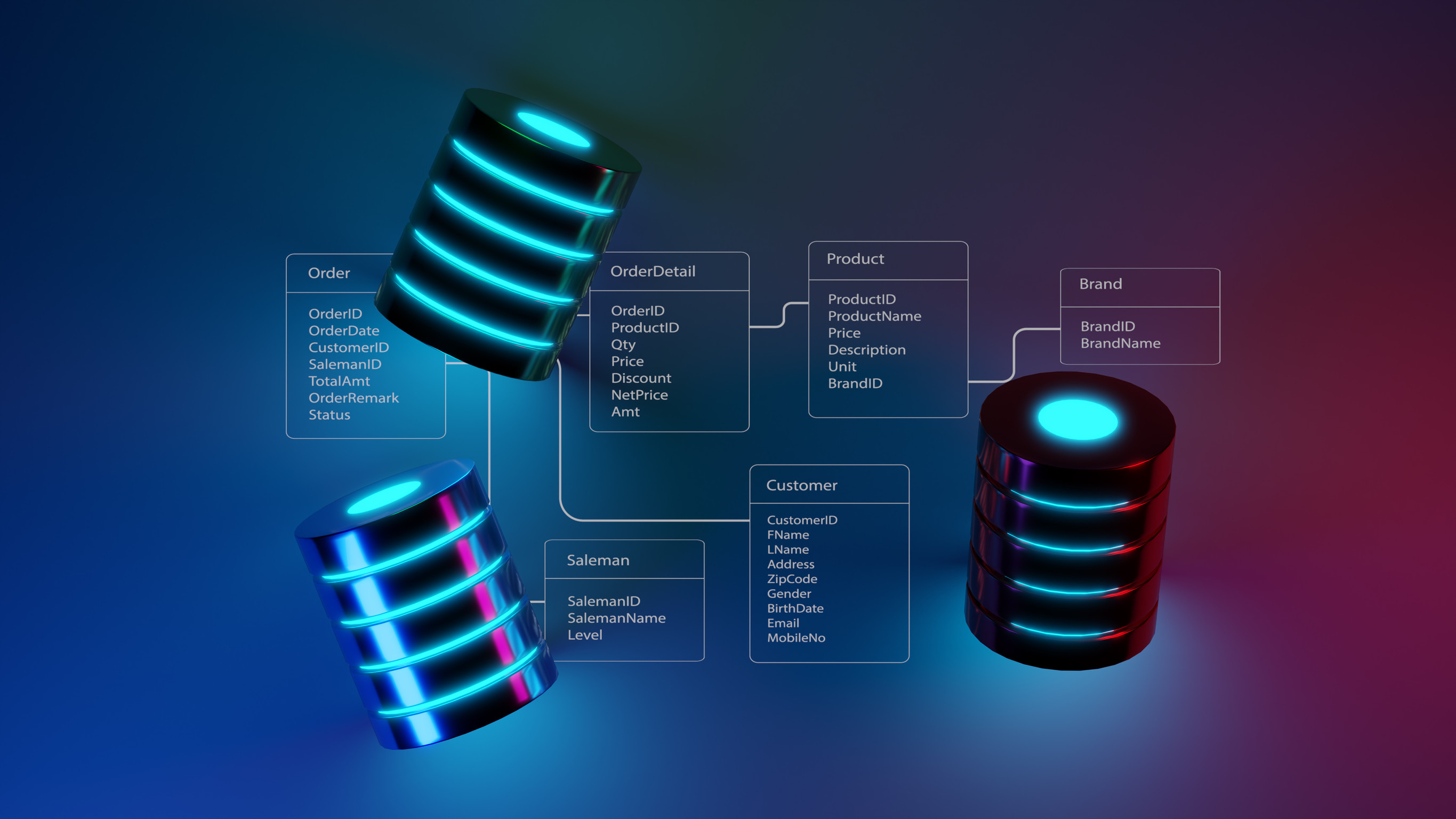



Product Information Management (PIM) is an essential strategic tool for accelerating time-to-market and maximizing ROI by centralizing and optimizing product information management. This system guarantees data quality and consistency across all channels, improving internal efficiency and reinforcing competitive advantage.
Time-to-market, a strategic challenge for brands
What is time-to-market?
Time-to-market, or TTM, refers to the time between product conception and market launch. This is an important factor in a context of rapid innovation and fierce competition. Indeed, a company that manages to launch its product first can benefit from a significant competitive advantage, directly influencing its profitability and market positioning.
Why is this delay often hampered by product data?
The complexity and multiplicity of sources and stakeholders (input errors, inaccurate descriptions, manual approvals) make product data a major obstacle to market launch, particularly in multi-channel and multi-lingual environments, making an appropriate management system essential for effective coordination and process optimization.
The consequences of a delayed launch
A delayed product launch has major negative impacts, resulting in the loss of market opportunities to competitors, additional costs and ineffective campaigns due to lack of coordination, as well as poor customer perception of the product, damaging sales and confidence.

How PIM reduces time-to-market in concrete terms
Data centralization in a single repository
PIM eliminates information silos by grouping all product data in a single, reliable repository. This centralization enables all teams, whether marketing, sales, logistics or IT, to work on a common, up-to-date database. By guaranteeing the consistency and quality of information, PIM facilitates decision-making and significantly speeds up the time-to-market process.
Automation of time-consuming tasks
PIM automates repetitive tasks (such as generating data sheets, leaflets or labels), reducing content preparation time, while its automated multi-channel export ensures consistent distribution of data across all channels, helping to shorten time-to-market while maintaining optimum quality.
Smooth collaboration between internal teams and partners
PIM optimizes collaborative management using clear validation workflows, precise rights management and change history, ensuring fluid coordination between all stakeholders (internal, external and multilingual) to minimize errors and delays.
PIM not only accelerates, it also makes data more reliable
Reduced human error
PIM makes data more reliable by integrating automatic controls and business rules that limit human error, and by using visual validation to check information before it is distributed, thus ensuring a high level of accuracy in product data.
Improved perceived quality
By offering enriched, coherent and well-structured product information (detailed descriptions, adapted images), PIM enhances perceived quality and consumer confidence, increasing conversion rates across all channels thanks to a more reliable and engaging product experience.
Easier regulatory compliance
PIM simplifies regulatory compliance by centralizing all mandatory information on packaging, reducing the risk of non-compliance, financial penalties or product recalls, and reinforcing legal certainty for marketing.
Accelerate your time-to-market: PIM + DAM + Packaging Content Management with Miller Graphics
To guarantee a rapid, error-free product launch, Miller Graphics recommends a technological combination integrating PIM, DAM and packaging content management, through 4 key steps.
Identify product data sources to ensure fast, reliable print-ready files
A complete audit of all systems is required to assess data origin and consistency. Integrating the PIM with packaging project management solutions (such as Atom Millnet) enables data to be extracted without re-keying for the creation of proofs. This automation guarantees reliable print-ready files, minimizes errors and speeds up validation.
Rapid management of variations and the graphic chain for consistent information
PIM simplifies the management of product variations (multilingual, multi-format) by automating updates, thus reducing preparation time for complex launches. It can also be integrated with graphic chain tools to automatically generate packaging and marketing materials using predefined masters. Combining PIM with a DAM system ensures automatic, fluid synchronization of visuals, texts and pictograms. This ensures that all media are consistent, compliant and reflect the latest information.
Structuring, training and performance monitoring
Standardizing and organizing data in the PIM (creating fields, management rules) establishes a solid foundation that simplifies day-to-day management. The success of the project also depends on effective change management and training. The implementation of precise KPIs (time saved, reduction in errors) then enables ROI to be measured and processes optimized.