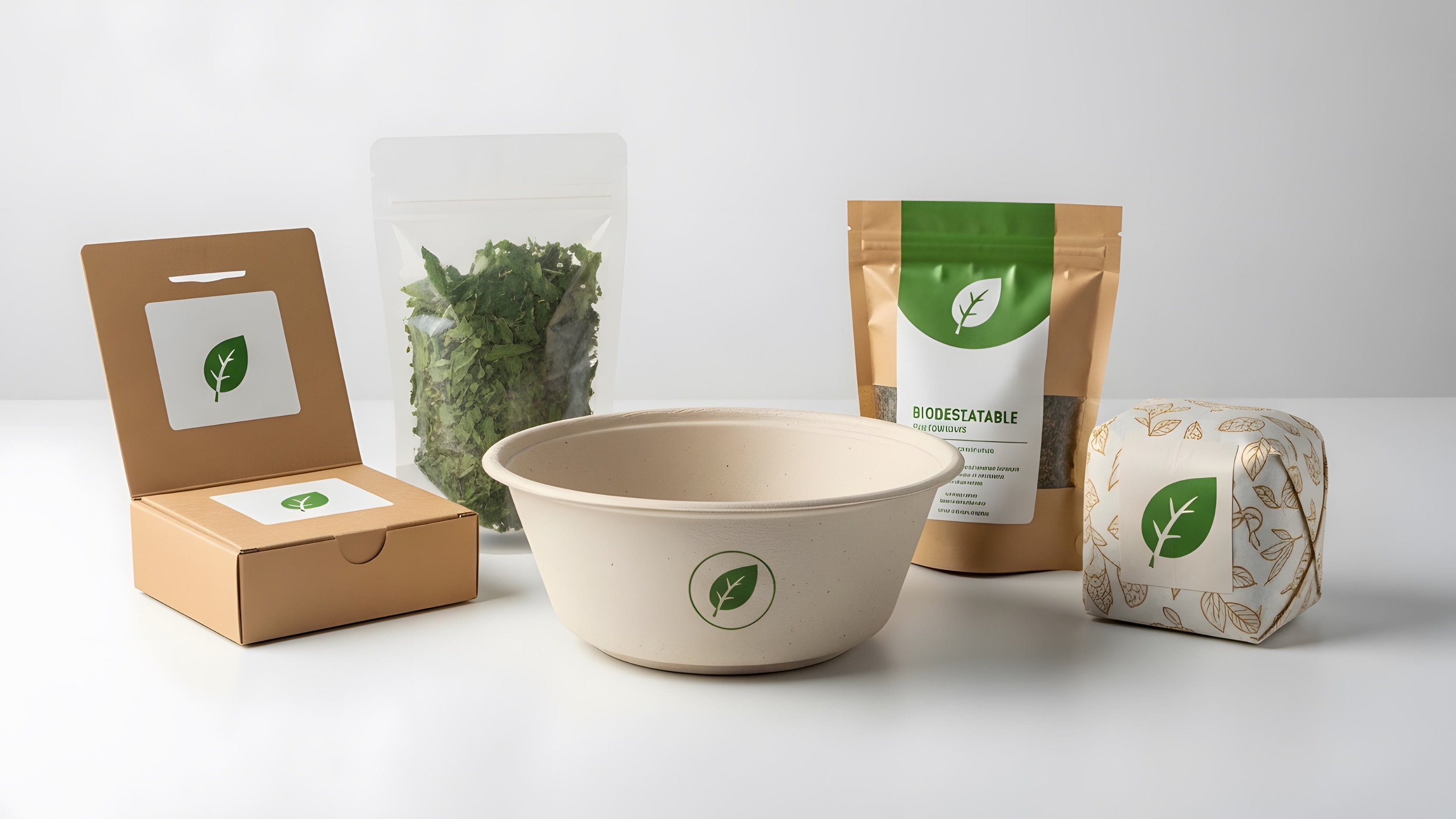


Today, paper is establishing itself as a credible, sustainable alternative to plastic film, at a time when brands need to reduce their carbon footprint while preserving the quality of their packaging.
At Miller Graphics, we turn this change into an opportunity: we help you make the transition from plastic film to paper, while guaranteeing graphic consistency and brand enhancement.
Why are brands gradually replacing plastic film with paper?
A demanding and fast-changing regulatory framework
The European PPWR regulation requires packaging to be harmonized by 2030: mandatory recyclability and reduction of virgin plastics. The 2026 deadline accelerates this trend.
Faced with these requirements, opting for paper becomes an immediate lever to reinforce CSR commitments and become part of a controlled circular economy.
A renewable and more virtuous material
Paper is highly recyclable, biodegradable and derived from renewable resources. Unlike plastic film, which is derived from petroleum, it offers :
-
a reduced carbon footprint,
-
natural integration into existing recycling channels,
-
an environmental impact in line with current consumer expectations.
A key image factor for brands
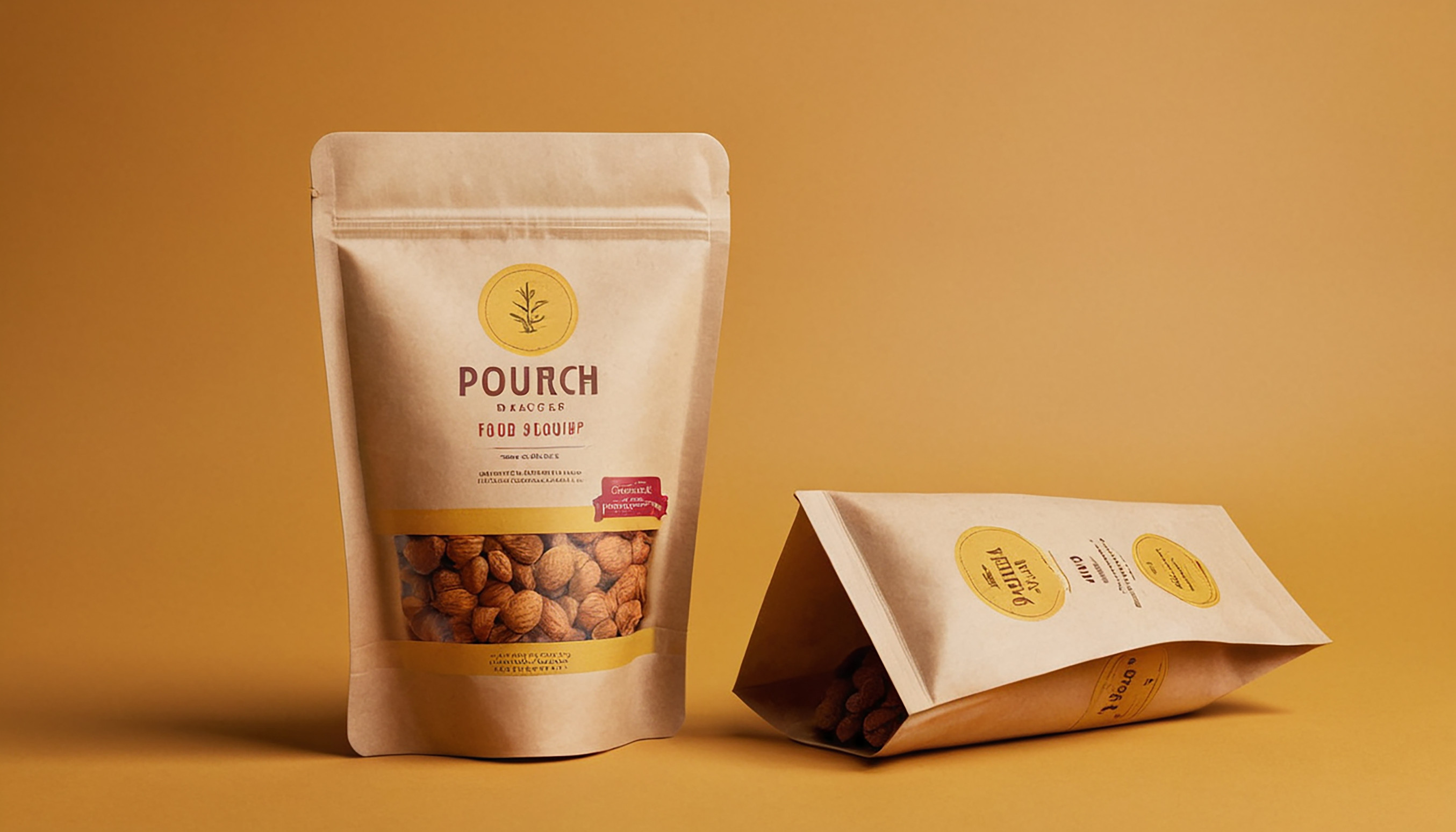
Adopting paper packaging (especially kraft) conveys a clear message: the brand is committed.
Paper then becomes a communication medium in its own right, capable of strengthening loyalty, enhancing CSR commitments and differentiating the brand in an environment that is increasingly sensitive to the choice of materials.
The technical challenges of switching from plastic film to paper
Resistance to be completely rethought
Unlike plastic film - which is naturally resistant to moisture, tension and perforation - paper requires :
-
suitable barrier treatments,
-
optimized structure according to grammage,
-
a design that guarantees product protection and logistical performance.
Adapting production equipment
Switching from plastic film to paper often requires :
-
adjusting folding, cutting or sealing modules,
-
recalibrate bagging machines,
-
training teams in a more sensitive and less homogeneous material.
A technical audit ensures a smooth and controlled transition.
Responding to logistical constraints
Paper must resist :
-
stacking,
-
shocks,
-
transport vibrations,
-
ambient humidity.
Tailor-made designs - reinforced geometries, optimized volume, specific walls - guarantee robustness without excessive material consumption.
The colorimetric challenges of printing on paper
From plastic to paper: a profoundly different visual experience
Unlike plastic film, which is smooth and neutral, paper :
-
porosity varies according to type (coated, uncoated, kraft),
-
absorbs ink more or less strongly, depending on type,
-
has a base tint - often warmer, sometimes brown - which influences color perception.
The result: without adaptation, packaging visuals can appear duller and less contrasted.
Miller Graphics expertise: analyze color impact right from the design stage
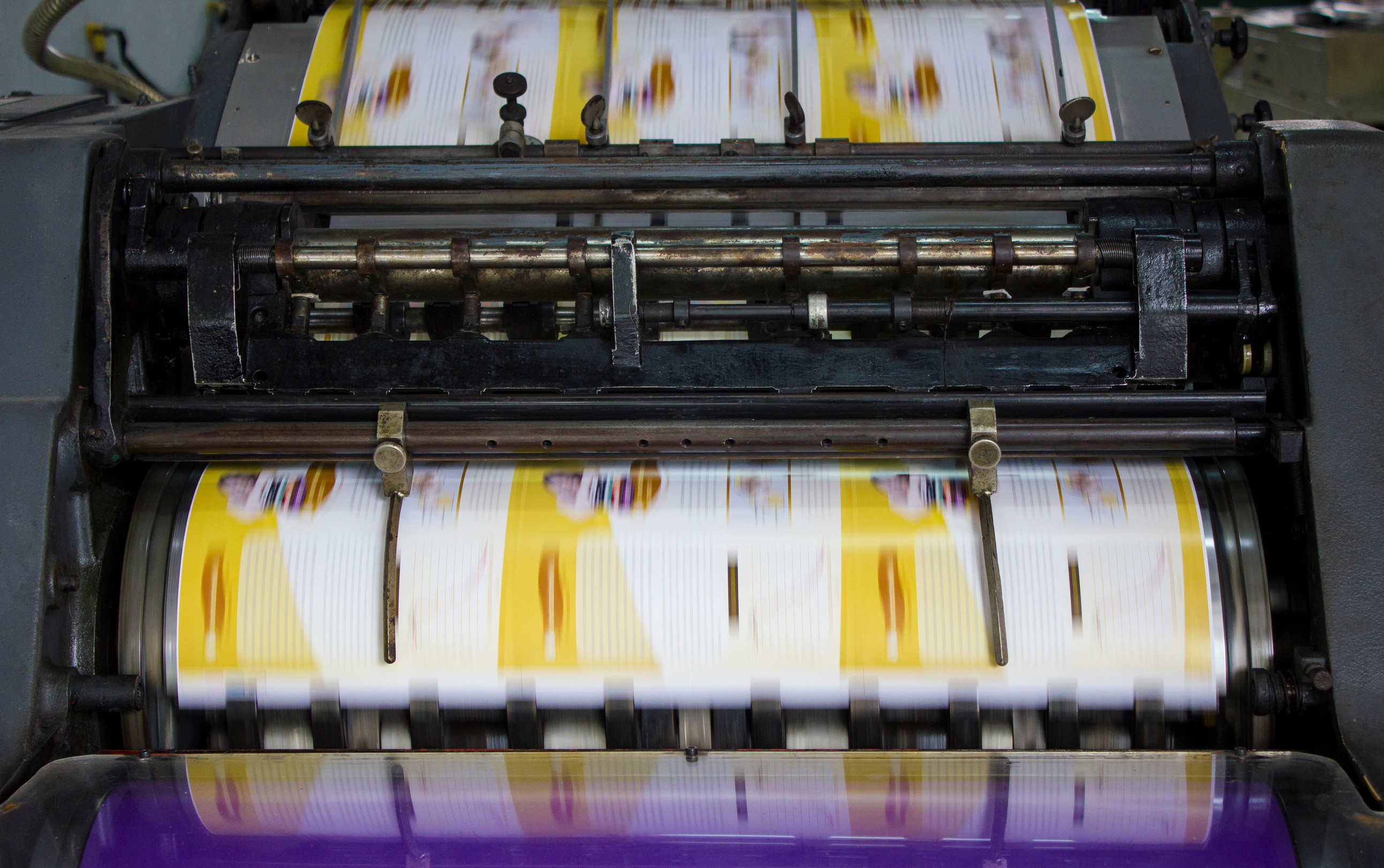
At Miller Graphics, our experts in printing techniques can intervene at a very early stage, right from the design phase - whether it's redesigning a range or launching new references. This anticipation is essential to accurately assess the colorimetric impact of switching to paper, especially when brands wish to adopt kraft (brown) substrates, which are very trendy but demanding.
These papers, whether coated, uncoated or recycled, have a natural hue that strongly influences:
- saturation,
- luminosity
- inter-reference consistency,
- brand color perception.
To guarantee faithful rendering, our teams :
- analyze files right from the design stage,
- identify possible color deviations,
- reinterpret the color mix if necessary,
- recommend the use of a support white when the substrate is unbleached.
This preventive approach avoids deviations in packaging production and ensures a stable visual identity across the entire range, even on complex substrates.

Ensuring faithful color reproduction
Variations in substrate porosity, humidity, grammage and whiteness can lead to color deviations. Careful colorimetry from the outset ensures consistent, premium rendering across all references.
Colorimetric solutions to guarantee premium rendering
Solutions include:
-
adapted ink formulations,
-
densitometric and colorimetric quality control,
-
screeningand plate optimization.
Objective: compensate for paper behavior to stabilize and enhance visual identity.
Miller Graphics support for the transition
Packaging design for paper, right from the creative brief
At Miller Graphics, our experts work closely with brands' creative teams to ensure that paper's color constraints are taken into account right from the design brief. We translate these constraints into concrete recommendations to guide the creative process.
This collaborative approach ensures that creative intentions remain fully realizable on paper - with a controlled, consistent and technically reliable visual rendering right from the first prototypes.
Expert mastery of the graphics chain
From artwork to prepress, our teams guarantee :
-
faithful rendering right from the first print run,
-
adjustments adapted to the medium,
-
inter-reference consistency.
Solutions adapted to every sector
Food, cosmetics, wine & spirits, premium... Each project benefits from 100% customized support.

Conclusion: switching from plastic to paper, a strategic and sustainable challenge
The transition from plastic film to paper is a structuring choice: in terms of regulations, carbon footprint and brand message.
While it presents technical challenges - resistance, machine adaptation, colorimetry - it is also a powerful lever for sustainable innovation.
Thanks to its expertise in prepress and color management, Miller Graphics supports brands from the brief through to production.
Ready to rethink your packaging? Our experts are here to help.